







What I Wish I Learned About Money Management 10 of 12: The Cost of Borrowing
10/29/25
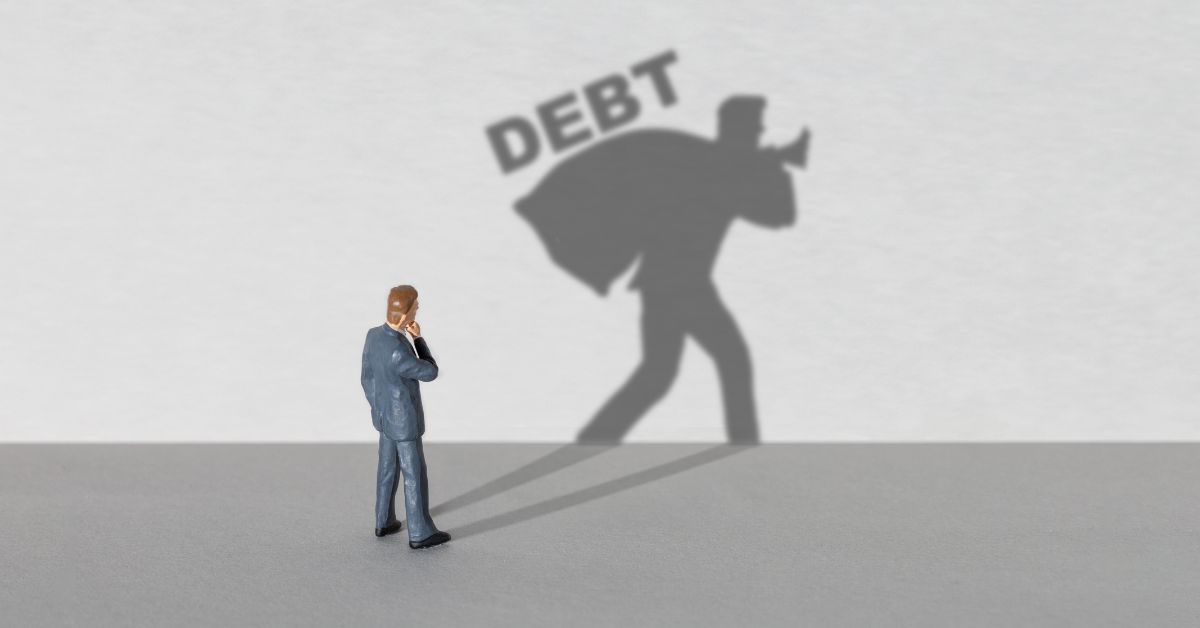
Credit offers are everywhere. Credit cards, personal loans, student loans, car payments and “buy now, pay later” offers are all designed to let you enjoy something now and worry about the cost later. But “later” comes faster than you’d expect, and when it does, it can hit like a financial freight train.
Let’s take a look at the hidden cost of borrowing.
Interest: the cost of borrowing
When you borrow money, you’re not just agreeing to repay the amount you borrowed; you’re agreeing to pay interest as well. This interest is the lender’s fee for letting you use their money. Depending on the interest rate, that cost can really sting.
It adds up quickly
Borrowing can be dangerous because it can quickly turn into a habit. Once you get used to paying for today’s stuff sometime in the future, it can easily become your first option for any new purchase. Before you know it, you may be juggling multiple payments, high interest rates and a growing sense of anxiety with every bill.
Borrowing isn’t always bad — but it has to be done responsibly
It’s important to note that borrowing money isn’t inherently bad. When used wisely, debt can ultimately improve your financial health. For example, a mortgage can help you purchase a home, an asset that will generally increase in value over time. The key is to borrow responsibly and to understand what you’re really signing up for. That means reading the fine print, asking about the APR (annual percentage rate) and doing the math.
What to know before you borrow
- Minimum payments are traps. Always aim to pay more than the minimum, and ideally, pay in full.
- Your credit score affects your interest rate. A good credit score can mean the difference between, for example, a 5% and a 15% interest rate, which can mean thousands of dollars in savings.
- Borrowing for wants is rarely worth it. Taking on debt for something you don’t really need — like a vacation, expensive clothes or the latest tech — usually leads to regret.
- An emergency fund is your best defense. Building even a small emergency fund can keep you from reaching for that credit card when the unexpected happens.
Borrow sparingly, and when you must, be sure to learn the costs upfront and to do it wisely.