

Q&A: What?s a No-Spend Challenge?
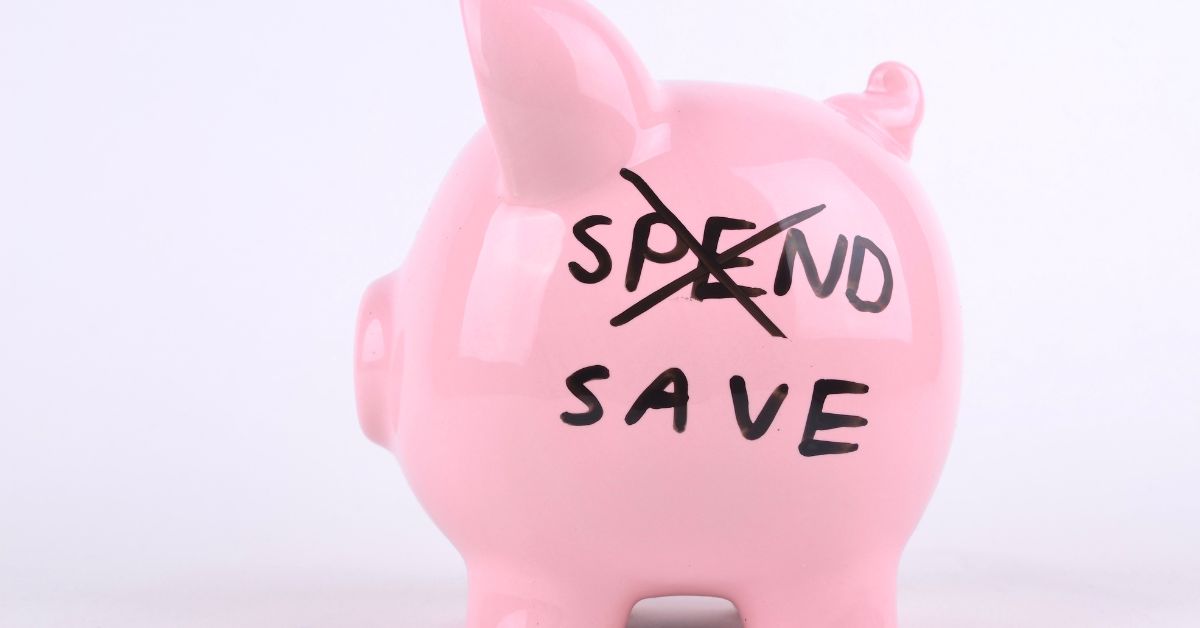
Q: How do no-spend challenges work and how can I stick to it?
A: In a world of online shopping, food delivery apps and constant sales alerts, spending money can feel like second nature. But, what if you hit pause—even just for a bit? That’s the idea behind the no-spend challenge, a powerful way to hit reset on your finances.
Let’s break down these challenges and explore some tips for making one work.
What is a no-spend challenge?
A no-spend challenge is a short-term commitment to stop spending money on anything that’s non-essential. For a day, a week, a month or longer, you can only spend money on needs.
What you can’t spend on
During a no-spend challenge, these types of purchases typically go on hold:
- Takeout and restaurant meals
- Coffee shop runs and vending machine snacks
- New clothes, shoes or accessories
- Streaming subscriptions or entertainment purchases
- Impulse buys
What you can spend on
Essential expenses are still allowed:
- Rent or mortgage payments
- Utility bills
- Groceries (if doing a very short no-spend challenge, such as a weekend, you can avoid grocery shopping as well)
- Transportation to work or school
- Prescriptions or medical needs
You set the rules, but the idea is to avoid anything that falls outside basic necessities.
Why try a no-spend challenge?
People take on no-spend challenges for many reasons. You may want to boost or start an emergency fund, pay off a credit card or jumpstart a large saving goal.
Even a short no-spend period can help you:
- Recognize your spending triggers
- Practice gratitude for what you have
- Find low-cost or free alternatives to your usual purchases
- Gain confidence in your ability to stick to a budget
Tips for sticking with it
1. Start small. Try a no-spend weekend or a one-week sprint. Once you see how doable it is, you can build up to longer challenges.
2. Plan ahead. Before you begin, prep your menu and meals, freeze leftovers and make a list of free activities you enjoy.
3. Set your own rules. Make the challenge work for your life. If you know you’ll need to attend a birthday dinner or buy school supplies, make that part of your “allowed” list.
4. Remove temptation. Delete shopping apps, unsubscribe from promotional emails and hide your credit cards if needed.
5. Track your progress. Keep a running list of what you would have spent during the challenge to see how much you’ve saved.
6. Get support. Doing the challenge with a partner, friend or even a group online adds a layer of accountability—and fun!
Reflect and reset
When the challenge ends, take a moment to reflect. Did you learn anything surprising about your spending habits? Were there purchases you didn’t miss? Use those insights to make go forward changes—whether that means budgeting differently, setting up savings goals, or taking on another no-spend challenge down the road.
Challenge yourself, even for a few days. Your future self—and your budget—will thank you.